

Latest News
Find our archive of news distributions below. To request a media interview or statement from one of our members, visit our press inquiries page here.
Search Our Press Release Archive
Sort by Rep. or Topic
- Economy
- Education
- IBLC
- Internship
- Leadership
- Mental Health
- Public Safety
- Rep. Alex Burton
- Rep. Blake Johnson
- Rep. Carey Hamilton
- Rep. Carolyn Jackson
- Rep. Cherrish Pryor
- Rep. Chris Campbell
- Rep. Chuck Moseley
- Rep. Dant Chesser
- Rep. Earl Harris Jr.
- Rep. Ed DeLaney
- Rep. Gregory W. Porter
- Rep. John Bartlett
- Rep. Justin Moed
- Rep. Kyle Miller
- Rep. Matt Pierce
- Rep. Maureen Bauer
- Rep. Mike Andrade
- Rep. Mitch Gore
- Rep. Pat Boy
- Rep. Phil GiaQuinta
- Rep. Ragen Hatcher
- Rep. Randy Novak
- Rep. Renee Pack
- Rep. Robin Shackleford
- Rep. Ryan Dvorak
- Rep. Sheila Klinker
- Rep. Sue Errington
- Rep. Tonya Pfaff
- Rep. Vanessa Summers
- Rep. Vernon Smith
- Rep. Victoria Garcia Wilburn
- Rep. Wendy Dant Chesser
- cherrish
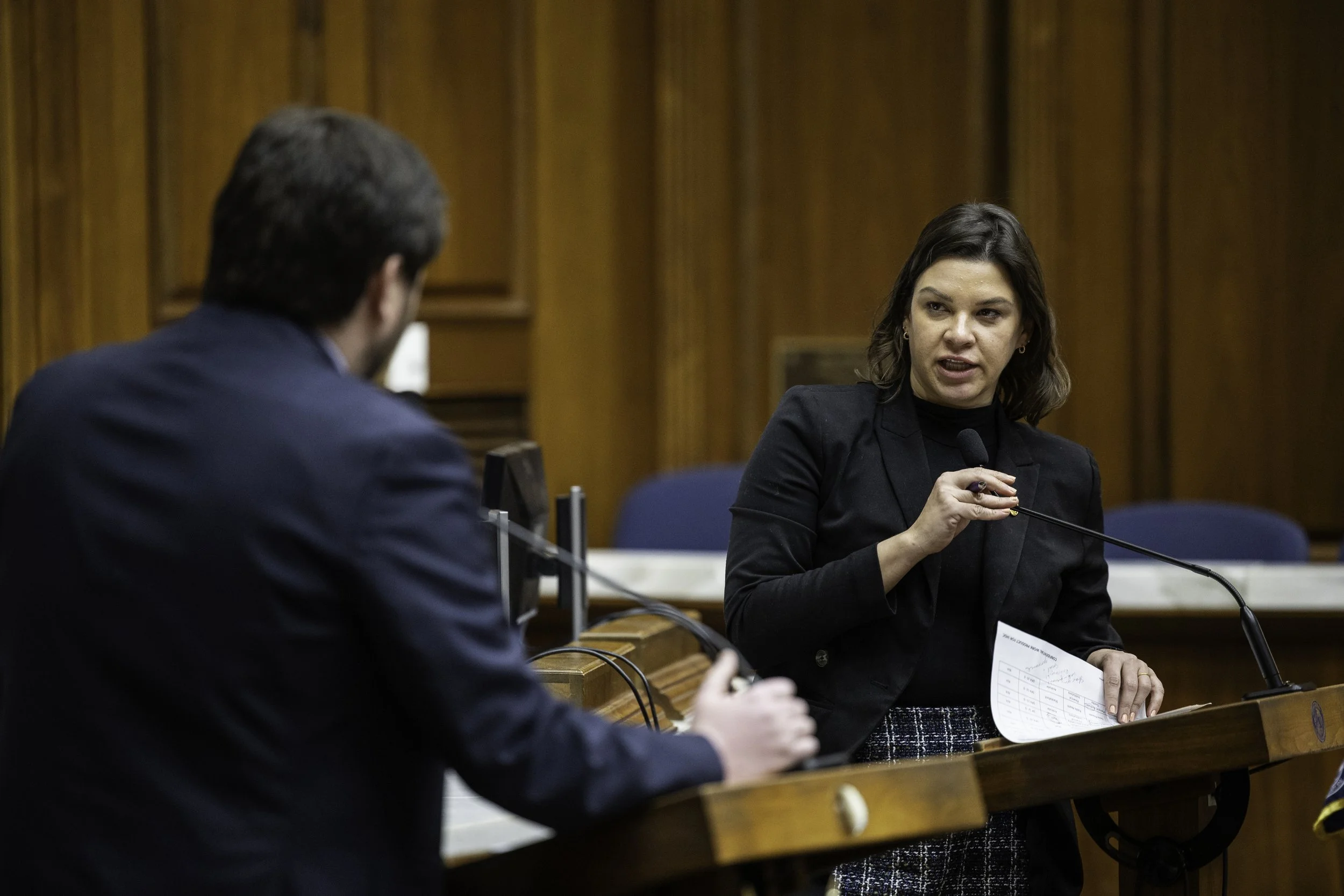
Bauer elected to national Women’s Legislative Network Executive Board
Indiana State Rep. Maureen Bauer (D-South Bend) has been elected to serve as the Midwestern Region representative on the Women's Legislative Network Executive Board of the National Conference of State Legislatures (NCSL). The election took place at the network's board meeting during the NCSL Legislative Summit in Chicago on July 28.
Indiana State Rep. Maureen Bauer (D-South Bend) has been elected to serve as the Midwestern Region representative on the Women's Legislative Network Executive Board of the National Conference of State Legislatures (NCSL). The election took place at the network's board meeting during the NCSL Legislative Summit in Chicago on July 28.
As the Midwestern representative, Bauer will help guide the network's programming and priorities over the coming year while serving as a voice for women legislators across the Midwest within the national organization.
"It's an honor to represent Indiana and the Midwest on this board," Bauer said. "Women bring essential perspectives and leadership to the work we do in every statehouse, and I'm looking forward to strengthening the connections and programming that support women legislators across the country. I'm grateful for the opportunity to serve."
The Women's Legislative Network of NCSL includes every woman state legislator in the country by virtue of her election to office. The organization promotes the participation, empowerment and leadership of women serving in state legislatures nationwide, and its executive board supports the implementation of that mission throughout the year.
Board members serve a one-year term and are eligible to serve up to two terms.

Bauer on amendment to redefine PFAS chemicals in SB 277
Today, Feb. 11, in the House Environmental Affairs Committee, language regarding “forever chemicals” was added into Senate Bill 277 by Chairman Baird.
Today, Feb. 11, in the House Environmental Affairs Committee, language regarding “forever chemicals” was added into Senate Bill 277 by Chairman Baird.
The language derives from Sen. Baldwin’s introduced SB 237, which defines “PFAS chemicals” and “state prioritized PFAS chemicals.” Additionally, the amendment would prohibit the Department of Environmental Management (IDEM) from basing a decision primarily on federal risk values that have not been put into effect through federal rulemaking.
State Rep. Maureen Bauer (D-South Bend) raised concerns about the amendment, emphasizing that Indiana must move forward with PFAS policy in a way that strengthens, not limits, protections for public health.
Bauer released the following statement:
“PFAS contamination is already impacting communities across Indiana. I am concerned that Amendment 27, redefining PFAS chemicals, could restrict how our state responds to emerging science and evolving federal guidance. Hoosiers deserve policies that prioritize health and safety first, not language that may delay or weaken our ability to act when credible risk information becomes available.
"During today's committee, we heard over two hours of testimony from the public; however, each comment was restricted to two minutes per individual on a bill that exceeds 150 pages. It's also important to note that some of the world's most renowned PFAS scientists live here in Indiana, and they have been outspoken in this amendment.
"PFAS are persistent chemicals that remain in our environment for generations. Addressing them requires flexibility, transparency and a commitment to science-driven decision-making. I will continue advocating for policies that give Indiana the strongest possible tools to protect drinking water, safeguard public health and respond quickly to contamination.
"We can no longer turn a blind eye to these chemicals. We must correct our approach before it's too late."
The amendment changing the definition of PFAS passed 6-5 in committee.
Bauer continues to support bipartisan efforts to address PFAS contamination through science-based standards, transparency and proactive public health protections.
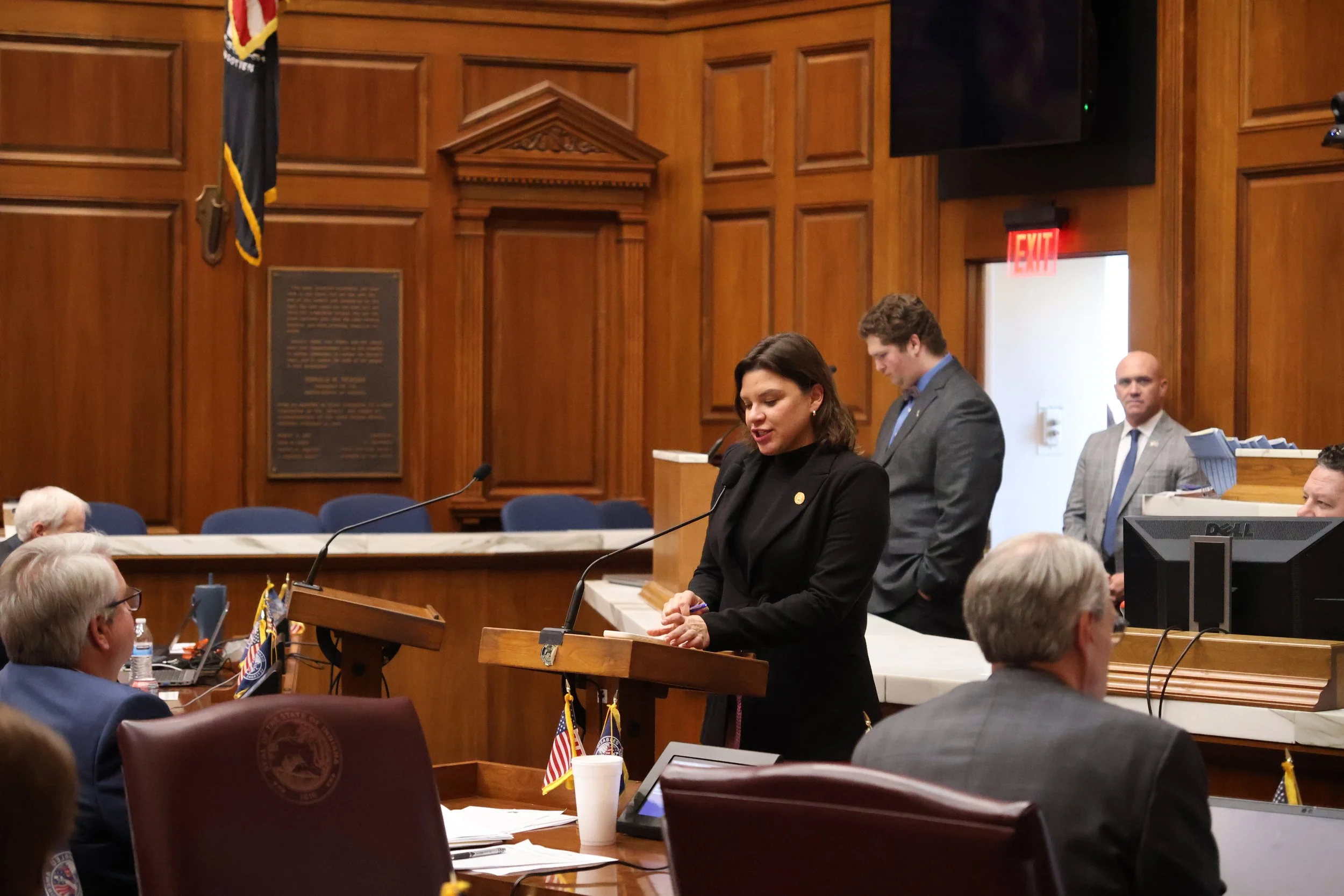
Bauer’s amendment affirming marriage equality blocked in House
Today, Feb. 10, State Rep. Maureen Bauer (D-South Bend) offered an amendment on the House floor to Senate Bill 76, that would have affirmed that no governmental body may deny, restrict or interfere with the right to marry based on race, color, ethnicity or national origin. The amendment was blocked on the House floor.
Today, Feb. 10, State Rep. Maureen Bauer (D-South Bend) offered an amendment on the House floor to Senate Bill 76, that would have affirmed that no governmental body may deny, restrict or interfere with the right to marry based on race, color, ethnicity or national origin. The amendment was blocked on the House floor.
The amendment followed recent committee testimony entered into the legislative record in which a representative of the Mass Deportation Coalition argued that immigration changes the nation’s demographics and culture and described the “mixing of populations” as harmful, questioning the underlying intent of SB 76.
Bauer released the following statement:
“Today I offered an amendment to make clear that Indiana will not return to eras defined by exclusion and discrimination. Hearing testimony that framed immigration and the ‘mixing of populations’ as something harmful was appalling, and it is deeply concerning that rhetoric rooted in fear and division continues to surface in 2026.
“When language questions who belongs based on race or background, lawmakers have a responsibility to respond. The Fourteenth Amendment guarantees equal protection under the law. Marriage rights are not conditional or cultural. They are constitutional. By codifying this amendment into Indiana code, we would have ensured that no government body in Indiana could deny that right based on race, ethnicity or national origin.
“Moments like this require clarity. Silence risks allowing harmful ideas to go unchallenged. Indiana should stand firmly for equal protection, dignity and the principle that discrimination has no place in our laws or in this chamber. Hate will not get the last word.”
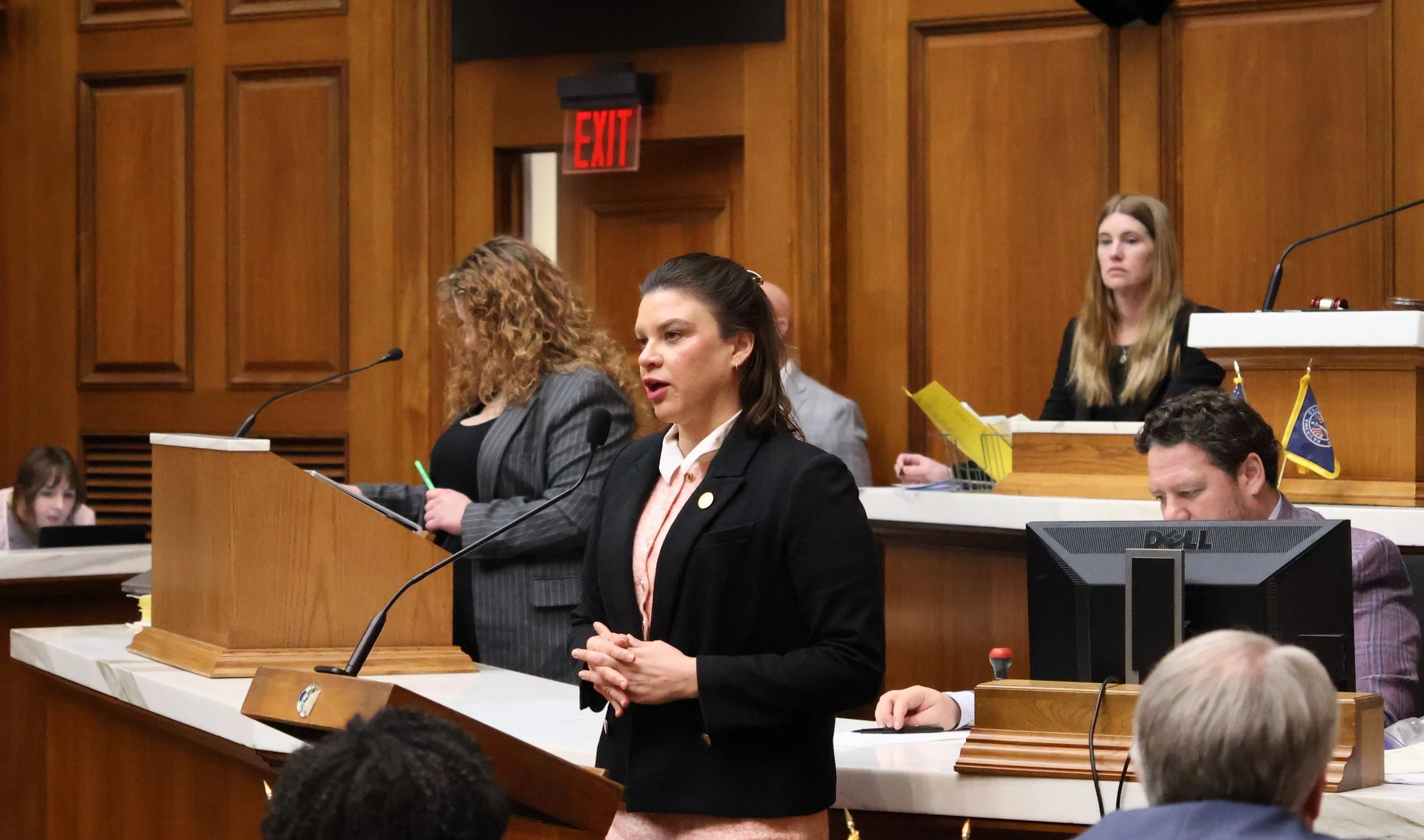
Bauer’s HB 1269 passes unanimously out of House
Today, State Rep. Maureen Bauer's (D-South Bend) House Bill 1269 passed unanimously out of the House and advances to the Senate for further consideration.
Today, State Rep. Maureen Bauer's (D-South Bend) House Bill 1269 passed unanimously out of the House and advances to the Senate for further consideration.
HB 1269 strengthens Indiana’s criminal justice framework by providing courts with an additional, structured sentencing option through the creation of a court-ordered prostitution offender education program in statute. Indiana currently has no statewide framework for such a program.
Under the bill, a judge may offer the program as part of sentencing following an unlawful proposition conviction. Participation is required only if the court elects to offer the option. Participants would pay up to a $500 program fee, which would help sustain local and state resources focused on offender rehabilitation and victim assistance. The bill also creates a modest funding source for the Human Trafficking Prevention and Victim Assistance Fund, which currently exists in statute but has no dedicated funding. A portion of the collected fees would be distributed to local law enforcement agencies and county general funds, strengthening community resources and partnerships across jurisdictions.
Bauer released the following statement on the bill's passage out of the House:
"HB 1269 gives judges another tool to hold offenders accountable while also addressing the broader harms caused by prostitution and human trafficking. I would like to extend my many thanks to Raindrops Rising for bringing this legislation forward. This bill recognizes that accountability, education and prevention must go hand in hand. By establishing a statewide framework, we can create more consistency across Indiana while directing resources toward victim services and local communities.”
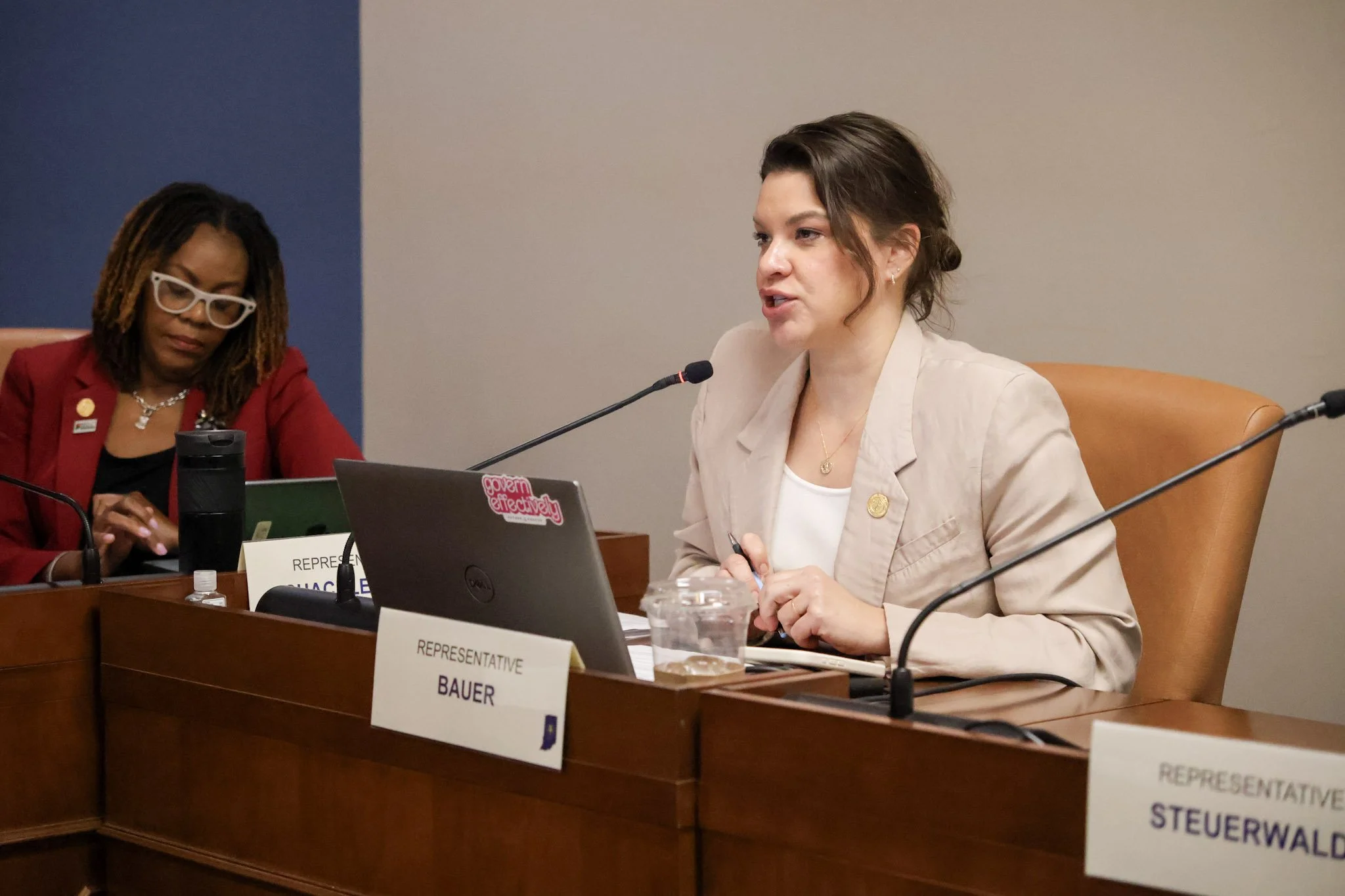
Bauer’s HB 1269 passes unanimously out of committee
Today, the House Courts and Criminal Code Committee unanimously passed House Bill 1269, authored by State Rep. Maureen Bauer (D-South Bend).
HB 1269 strengthens Indiana’s criminal justice framework by providing courts with an additional, structured sentencing option through the creation of a court-ordered prostitution offender education program in statute. Indiana currently has no statewide framework for such a program.
Today, the House Courts and Criminal Code Committee unanimously passed House Bill 1269, authored by State Rep. Maureen Bauer (D-South Bend).
HB 1269 strengthens Indiana’s criminal justice framework by providing courts with an additional, structured sentencing option through the creation of a court-ordered prostitution offender education program in statute. Indiana currently has no statewide framework for such a program.
Under the bill, a judge may offer the program as part of sentencing following an unlawful proposition conviction. Participation is required only if the court elects to offer the option. Participants would pay a $500 program fee, which would help sustain local and state resources focused on offender rehabilitation and victim assistance. The bill also creates a modest funding source for the Human Trafficking Prevention and Victim Assistance Fund, which currently exists in statute but has no dedicated funding.
A portion of the collected fees would be distributed to local law enforcement agencies and county general funds, strengthening community resources and partnerships across jurisdictions.
“This legislation reflects a balanced, evidence-based approach to public safety that promotes accountability while supporting interventions shown to reduce recidivism,” Bauer said. “HB 1269 is about changing behavior, reducing exploitation and improving long-term outcomes for individuals and communities.”
The bill was developed with input from survivor-led organizations and stakeholders focused on reducing exploitation and improving victim support.
“HB 1269’s passage out of committee is an important step toward advancing commonsense criminal justice reform that protects Hoosiers and supports meaningful accountability,” Bauer added. “I am grateful for the bipartisan conversations with my colleagues and the shared commitment to making Indiana safer and fairer for everyone.”
House Bill 1269 now advances to the full House for further consideration.

Bauer: PFAS biomonitoring pilot confirms widespread exposure among Indiana firefighters
The results of Indiana’s PFAS Biomonitoring Pilot Program have been released, confirming widespread exposure to toxic “forever chemicals” among firefighters across every Indiana Preparedness District.
The results of Indiana’s PFAS Biomonitoring Pilot Program have been released, confirming widespread exposure to toxic “forever chemicals” among firefighters across every Indiana Preparedness District. The pilot program was authorized through House Bill 1219 (2023), authored by State Representative Maureen Bauer (D-South Bend).
The final report, released by the Indiana Department of Homeland Security, shows that the majority of participating firefighters fall into medium-risk exposure categories, with high-risk PFAS levels identified in multiple districts statewide. No region of Indiana was unaffected.
“These findings confirm what firefighters and their families have been raising alarms about for years,” Bauer said. “PFAS exposure is not isolated. It is systemic, occupational, and statewide. Because of HB 1219, we now have real data instead of unanswered questions.”
PFAS, or per- and polyfluoroalkyl substances, are linked to cancer, thyroid disease, immune dysfunction, and reproductive harm. Firefighters face elevated risk due to repeated exposure through turnout gear, firefighting foam, and contaminated environments.
The PFAS Biomonitoring Pilot Program represents the first statewide effort to collect exposure data among Indiana firefighters. The data will help inform prevention strategies, early medical intervention, and future policy decisions to protect firefighter health.
“Biomonitoring is about prevention and accountability,” Bauer said. “You cannot fix what you do not measure. This program gives us the tools to protect the people who protect us.”
Bauer emphasized that the results highlight the importance of empowering firefighters with information about their own health and exposures, so individuals, families, and policymakers can make informed decisions about prevention, care, and long-term protections.
The full PFAS Biomonitoring Pilot Program Final Report can be found here:
https://www.in.gov/dhs/files/IDHS-PFAS-Final-Report-full-v2.pdf
Bauer introduces 2026 legislation focused on safety, accountability and protecting Hoosiers
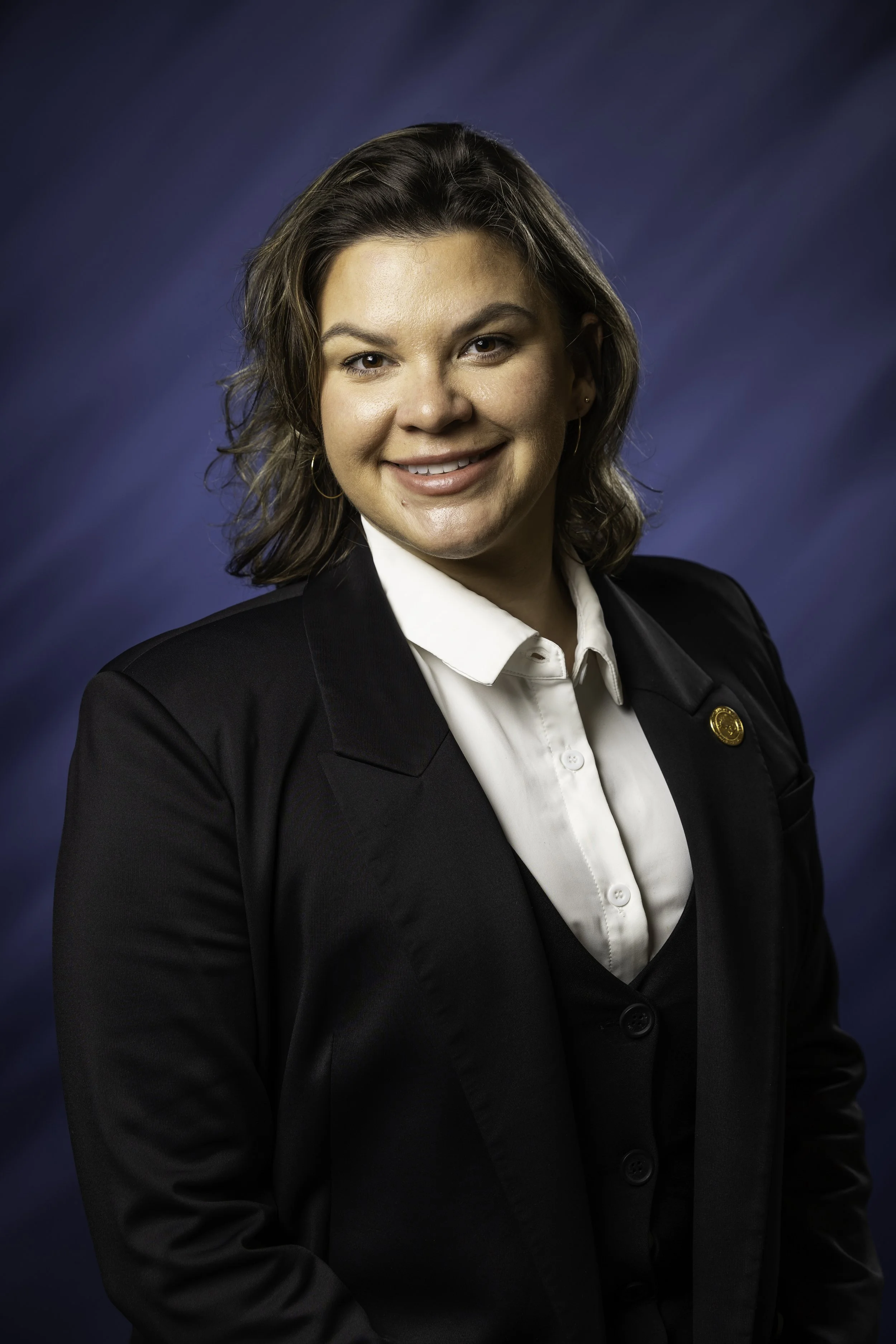
State Rep. Maureen Bauer (D-South Bend) introduced her 2026 legislative agenda focused on strengthening public safety, protecting Hoosiers from emerging threats, and ensuring commonsense standards across health care, technology and the criminal justice system.
Bauer’s legislation centers on prevention, accountability and closing gaps in existing law to better reflect the realities Hoosiers face in their homes, workplaces and communities.
“These bills are about protecting people,” Bauer said. “Whether that means ensuring patients are safe in medical settings, helping first responders do their jobs more safely, or responding to new forms of exploitation and violence, Hoosiers deserve laws that work for the world we live in today.”
State Rep. Maureen Bauer (D-South Bend) introduced her 2026 legislative agenda focused on strengthening public safety, protecting Hoosiers from emerging threats, and ensuring commonsense standards across health care, technology and the criminal justice system.
Bauer’s legislation centers on prevention, accountability and closing gaps in existing law to better reflect the realities Hoosiers face in their homes, workplaces and communities.
“These bills are about protecting people,” Bauer said. “Whether that means ensuring patients are safe in medical settings, helping first responders do their jobs more safely, or responding to new forms of exploitation and violence, Hoosiers deserve laws that work for the world we live in today.”
Bauer’s 2026 legislative agenda includes:
Ensuring proper safety requirements for sonography and ultrasound practices (HB 1014), strengthening patient protections and professional standards in medical imaging facilities.
Digital warnings for first responder safety (HB 1167), expanding digital alert tools to help law enforcement, firefighters and EMTs safely respond to emergency calls.
Criminalizing the possession and distribution of digitally created sexual images (HB 1182), addressing the growing misuse of AI and digitally altered images to exploit and harm individuals.
Court-ordered offender education for unlawful proposition (HB 1269), creating opportunities for intervention and education to reduce repeat offenses and improve community safety.
Preventing domestic violence fatalities through improved data collection (HB 1310), strengthening coordination and data-sharing to identify risk factors and prevent lethal outcomes.
Together, the legislation prioritizes proactive solutions that improve public safety, support victims, and hold offenders accountable while modernizing Indiana law.
Bauer’s agenda aligns with priorities advanced by House Democrats through the Working Hoosiers Agenda, which focuses on protecting working families and ensuring Indiana laws promote safety, fairness, and opportunity.
“Public safety is foundational to strong communities and a strong workforce,” Bauer said. “This legislative package focuses on prevention, accountability and making sure our laws protect the people they are intended to serve.”
Bauer shares update on redistricting decision
Today, State Rep. Maureen Bauer (D-South Bend) issued the following statement reacting to the news that Senate Republicans will not move forward on redistricting:
“During my recent town hall, many residents shared concerns about reopening this process mid-cycle. With this decision behind us, I am eager to focus on what Hoosiers truly need, lowering costs of living, improving access to government services and addressing the challenges that working families share with me every day as their representative.”
Today, State Rep. Maureen Bauer (D-South Bend) issued the following statement reacting to the news that Senate Republicans will not move forward on redistricting:
“During my recent town hall, many residents shared concerns about reopening this process mid-cycle. With this decision behind us, I am eager to focus on what Hoosiers truly need, lowering costs of living, improving access to government services and addressing the challenges that working families share with me every day as their representative.”

Bauer calls on Indiana Attorney General to take legal action to restore SNAP funding for Hoosier families
Today, State Rep. Maureen Bauer (D-South Bend) called on Indiana’s attorney general to take immediate legal action to compel the federal government to release Supplemental Nutrition Assistance Program (SNAP) funds currently frozen as the federal government shutdown continues.
Today, State Rep. Maureen Bauer (D-South Bend) called on Indiana’s attorney general to take immediate legal action to compel the federal government to release Supplemental Nutrition Assistance Program (SNAP) funds currently frozen as the federal government shutdown continues.
Nearly 600,000 Hoosiers rely on SNAP benefits each month to put food on the table.
“Hoosier families are once again caught in the middle of a political fight they didn’t ask for,” Bauer said. “While Congress stalls, our state has the power to act. The attorney general should join other states in taking the necessary legal steps to ensure that families who rely on SNAP are not left without food.”
Bauer emphasized that the state has both the authority and responsibility to protect residents when federal gridlock threatens their basic needs.
“Our leaders must act with empathy and urgency,” Bauer said. “This is not about partisanship — it’s about people. No family should be forced to go hungry because of political games in Washington.”
She also reiterated her support for State Rep. Gregory W. Porter's (D-Indianapolis) proposal to temporarily use state contingency funds to ensure no lapse in food assistance while federal funding is restored.
Bauer noted that while the Women, Infants, and Children (WIC) program currently has limited short-term funding, that support could expire within weeks if the shutdown continues. “Mothers, infants, and young children should never have to worry about access to formula, healthy food, or basic nutrition,” Bauer said.
Hoosiers in need of food assistance are encouraged to visit feedindiana.org or call 2-1-1 to locate a food pantry nearby.
“No Hoosier should go hungry because of politics,” Bauer added. “It’s time for empathy and action.”

Bauer calls for oversight of new ICE detention center at Miami Correctional Facility
Today, State Rep. Maureen Bauer (D-South Bend) announced that she has sent a formal letter to Governor Mike Braun requesting formalized legislative oversight authority for the new federal immigration detention center at Miami Correctional Facility in Bunker Hill.
Today, State Rep. Maureen Bauer (D-South Bend) announced that she has sent a formal letter to Governor Mike Braun requesting formalized legislative oversight authority for the new federal immigration detention center at Miami Correctional Facility in Bunker Hill.
This week, the first 15 detainees were transferred to the state prison, with up to 100 expected by week's end and plans for as many as 1,000 in total. Indiana has already committed $16 million in state resources for fencing, staffing, and upgrades to support the arrangement. While the state will be reimbursed $291 per detainee per day, Bauer warned those payments are contingent on full bed use and may not cover the upfront or long-term costs to taxpayers.
"Indiana has never before housed such large populations of federal immigration detainees in its prisons," Bauer said. "Without clear safeguards, we risk detaining people without guaranteeing their constitutional rights, due process or humane treatment. At the same time, taxpayers are already on the hook for millions in up-front costs."
In the letter, Bauer noted that while the Intergovernmental Service Agreement (IGSA) requires compliance with National Detention Standards and permits unannounced inspections by ICE or federal oversight bodies, it does not explicitly grant authority for the Indiana General Assembly or legislative committees to conduct formal oversight tours or audit reports. She requested that the Governor clarify by executive directive or legislative order that such authority will be recognized, and that inspection findings be published to the state legislature.
Bauer also called on the Governor to ensure:
Confidential legal access and interpretation services for detainees.
Transparency through public reporting of detainee numbers, transfers, medical care and grievances.
Publication of the full IGSA and all attachments.
Protection of human dignity and safety through access to medical and mental health care, safe conditions and effective grievance procedures.
"Transparency, accountability and access to counsel are the minimum safeguards necessary to uphold Indiana's values and legal responsibilities," Bauer said. "Formalizing legislative oversight authority will ensure ongoing accountability as this facility expands."
Bauer emphasized that as a member of the Courts and Criminal Code Committee, she will continue to push for legislative oversight of the facility and has asked colleagues to support a hearing on the issue.

Bauer and Garcia Wilburn condemn unprecedented NDAs, Call for transparency on Governor Braun’s ABA working group
Today, State Rep. Maureen Bauer (D-South Bend) and State Rep. Victoria Garcia Wilburn (D-Fishers), both members of the Indiana House Public Health Committee, are calling on Governor Braun to end the secrecy surrounding his newly created Applied Behavior Analysis (ABA) Therapy working group.
Today, State Rep. Maureen Bauer (D-South Bend) and State Rep. Victoria Garcia Wilburn (D-Fishers), both members of the Indiana House Public Health Committee, are calling on Governor Braun to end the secrecy surrounding his newly created Applied Behavior Analysis (ABA) Therapy working group.
The “organized working group," established through Executive Order 25-31 amid rising Medicaid costs, is tasked with reviewing autism therapy service expenses in Indiana. However, lawmakers are concerned with how it is being carried out.
Garcia Wilburn submitted a formal letter requesting to serve on the working group but received no response. In a more recent development, the lawmakers confirmed that members are required to sign non-disclosure agreements (NDAs) in order to participate — an unprecedented step for such a policy review, effectively keeping the process hidden from both legislators and the public.
“Families across Indiana depend on Medicaid services to access life-changing therapies. They deserve transparency and accountability, not secrecy,” Bauer said. “It is deeply concerning that decisions affecting real people are being made out of the public eye. If the governor truly values transparency, he should immediately remove the gag orders placed on this group and open the process to the families it impacts."
“Autism services are too important for closed-door politics,” Garcia Wilburn said. “This should be an open, bipartisan conversation, not one limited by NDAs. Hoosier families deserve to know what’s at stake and how decisions are being made. Especially when those decisions are being justified as cost-cutting fiscal conservatism, instead of centered on children’s needs."
“This is not the time to shut out voices or restrict information,” Bauer and Garcia Wilburn said in a joint statement. “We call on Gov. Braun to open the doors of this working group, invite bipartisan input, and put Hoosier families first.”
Bauer: ‘Hoosiers deserve representation, not rigged districts’
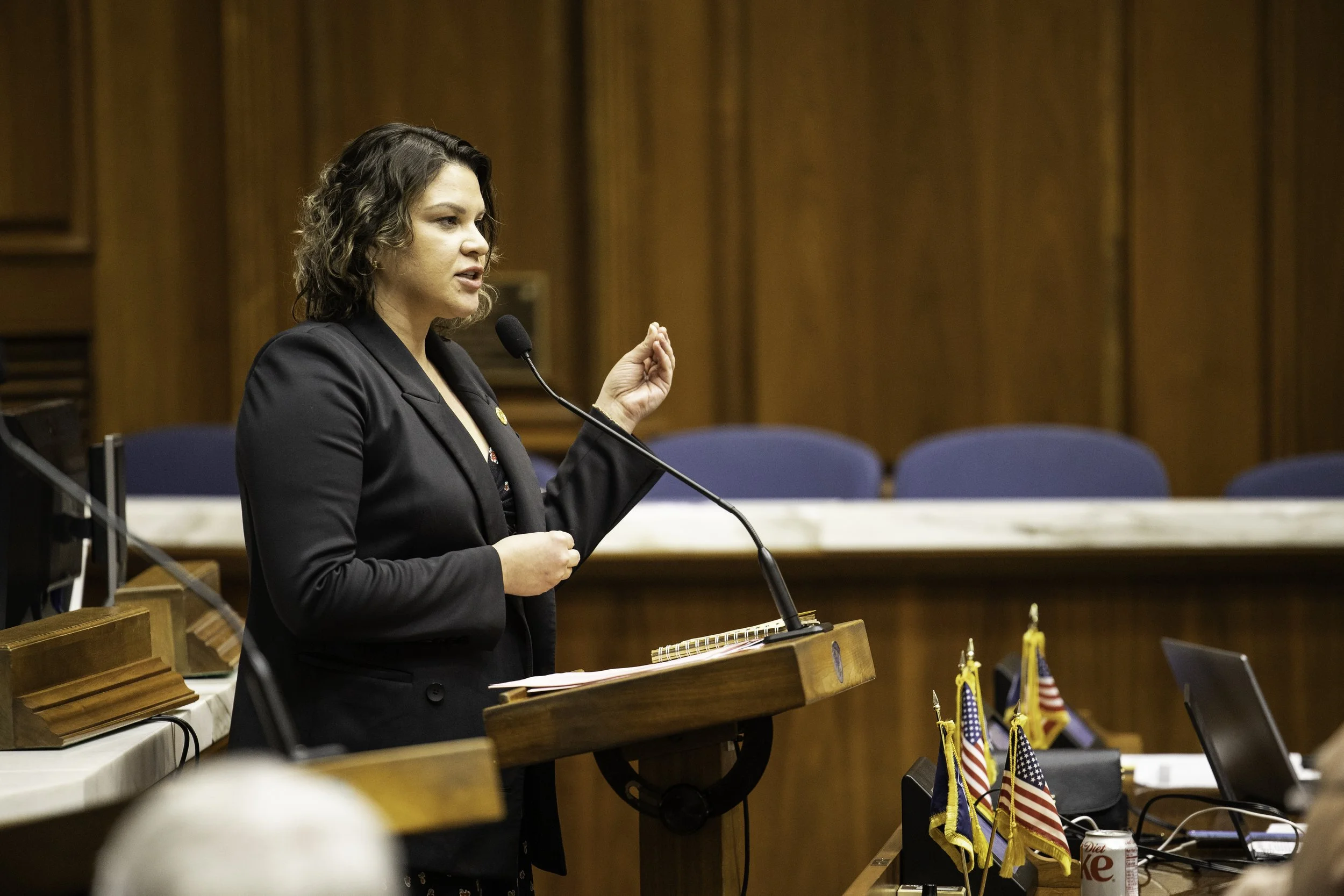
Today, State Rep. Maureen Bauer (D-South Bend) condemned the Indiana House and Senate Republicans’ willingness to bend to President Donald Trump’s pressure to redraw Indiana’s congressional maps in the middle of the decade, calling the maneuver “a blatant attempt to cheat Hoosiers out of fair representation.”
Today, State Rep. Maureen Bauer (D-South Bend) condemned the Indiana House and Senate Republicans’ willingness to bend to President Donald Trump’s pressure to redraw Indiana’s congressional maps in the middle of the decade, calling the maneuver “a blatant attempt to cheat Hoosiers out of fair representation.”
Bauer released the following statement:
“Trump isn’t even hiding it. These mid-decade redistricting efforts are about one thing: gaining seats for his party and rigging the system in his favor. What’s worse is that Indiana House and Senate Republicans are going right along with it and abandoning their own claims from 2021 that their gerrymandered maps were ‘fair’, ‘beautiful’ and represented Indiana well. If that was true then, what changed? The answer? Trump told them to do it.
“Let’s not forget, this trip follows Vice President J.D. Vance’s private meeting with Indiana Republican leadership, just weeks ago, where he pushed Trump’s redistricting agenda forward.
“This is not about representing Hoosiers — it’s about representing Trump. And it comes at the expense of taxpayers. If Republicans call a special session to do Trump’s bidding, Hoosiers will be the ones footing the bill. That’s money that should be invested in tackling the real challenges families face every day such as strengthening our schools, lowering property taxes, improving health care and making the cost of living more affordable. Instead, Republicans are tossing Hoosier priorities aside for Trump’s political agenda.
“Indiana Democrats will continue standing up against partisan power grabs and fighting for a government that works for Hoosiers, not politicians.
“Hoosiers deserve fair maps and leaders who are focused on making their lives easier and more prosperous. It’s time Republicans answer to the people of Indiana — not Donald Trump.”