

Latest News
Find our archive of news distributions below. To request a media interview or statement from one of our members, visit our press inquiries page here.
Search Our Press Release Archive
Sort by Rep. or Topic
- Economy
- Education
- IBLC
- Internship
- Leadership
- Mental Health
- Public Safety
- Rep Renee Pack
- Rep. Alex Burton
- Rep. Blake Johnson
- Rep. Carey Hamilton
- Rep. Carolyn Jackson
- Rep. Cherrish Pryor
- Rep. Chris Campbell
- Rep. Chuck Moseley
- Rep. Dant Chesser
- Rep. Earl Harris Jr.
- Rep. Ed DeLaney
- Rep. Gregory W. Porter
- Rep. John Bartlett
- Rep. Justin Moed
- Rep. Kyle Miller
- Rep. Matt Pierce
- Rep. Maureen Bauer
- Rep. Mike Andrade
- Rep. Mitch Gore
- Rep. Pat Boy
- Rep. Phil GiaQuinta
- Rep. Ragen Hatcher
- Rep. Randy Novak
- Rep. Renee Pack
- Rep. Robin Shackleford
- Rep. Ryan Dvorak
- Rep. Sheila Klinker
- Rep. Sue Errington
- Rep. Tonya Pfaff
- Rep. Vanessa Summers
- Rep. Vernon Smith
- Rep. Victoria Garcia Wilburn
- Rep. Wendy Dant Chesser
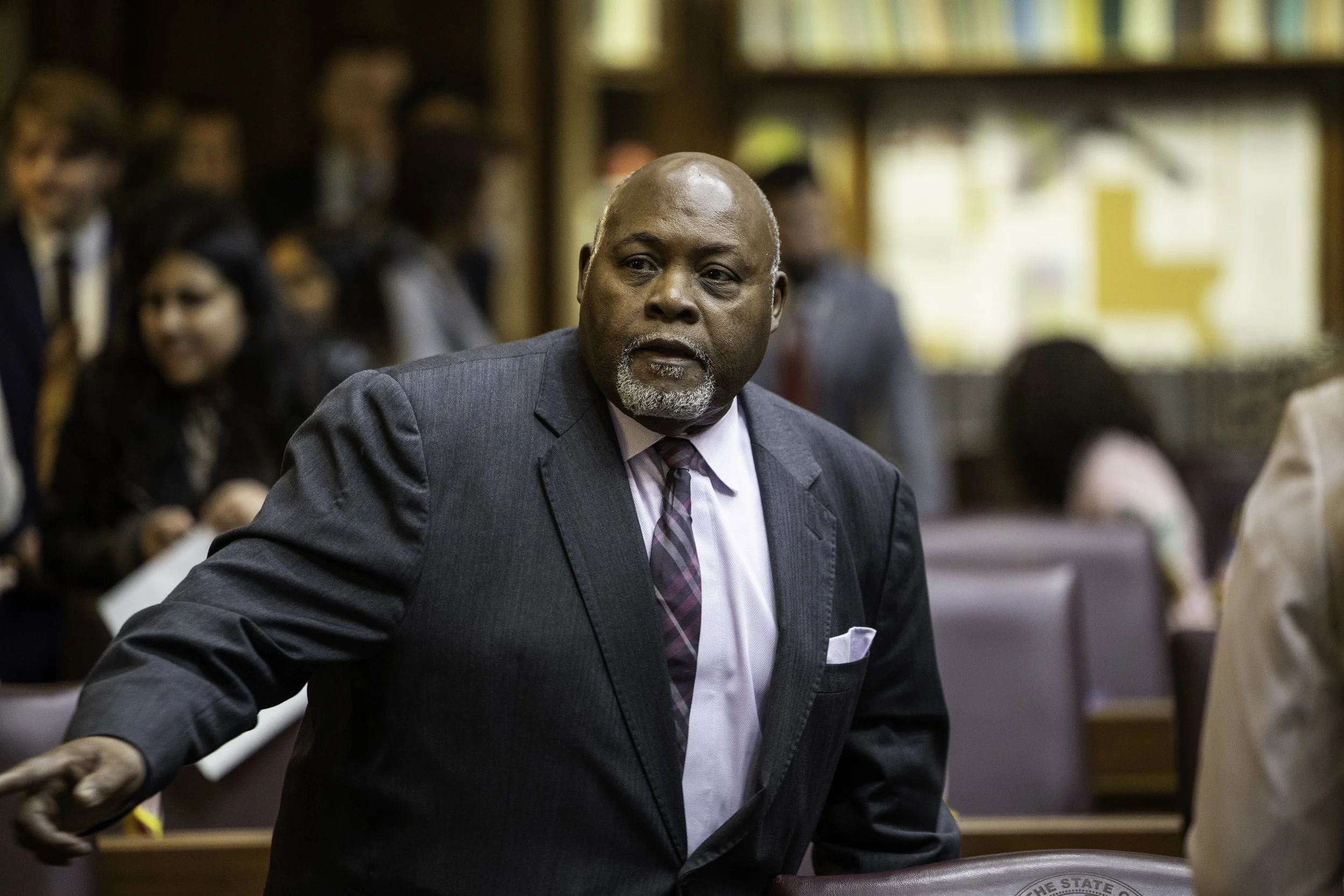
Republicans cancel financial lifeline to public schools
Indiana House Republicans will not move forward with House Bill 1259, a cleanup of Senate Enrolled Act 1 (2025), their property tax system overhaul bill. The bill would have allowed counties to adopt an additional local income tax to generate revenue for Indiana’s public schools, recouping some of their losses from SEA 1. In 2028, public schools would have $340 million in potential revenue if each county adopted the optional tax.
Indiana House Republicans will not move forward with House Bill 1259, a cleanup of Senate Enrolled Act 1 (2025), their property tax system overhaul bill. The bill would have allowed counties to adopt an additional local income tax to generate revenue for Indiana’s public schools, recouping some of their losses from SEA 1. In 2028, public schools would have $340 million in potential revenue if each county adopted the optional tax.
The amount each school corporation would have received with the optional LIT tax is available here.
State Rep. Gregory W. Porter (D-Indianapolis) released the following statement:
“Our public schools are hurting. The majority continues to give private and charter schools full-course meals, while public schools get the scraps.
“This optional county LIT is a crucial lifeline for our public schools. I cannot overstate how desperately they need this source of potential revenue. Large school districts are worried about their ability to grow, while our smaller schools face layoffs, consolidations and a reduction in services.
“It's clear Republicans have no interest in supporting the overwhelming majority of families who choose public schools. They failed to provide homeowners with lasting relief. They defunded our public schools with SEA 1, and they had the opportunity to reverse course, but they failed.”
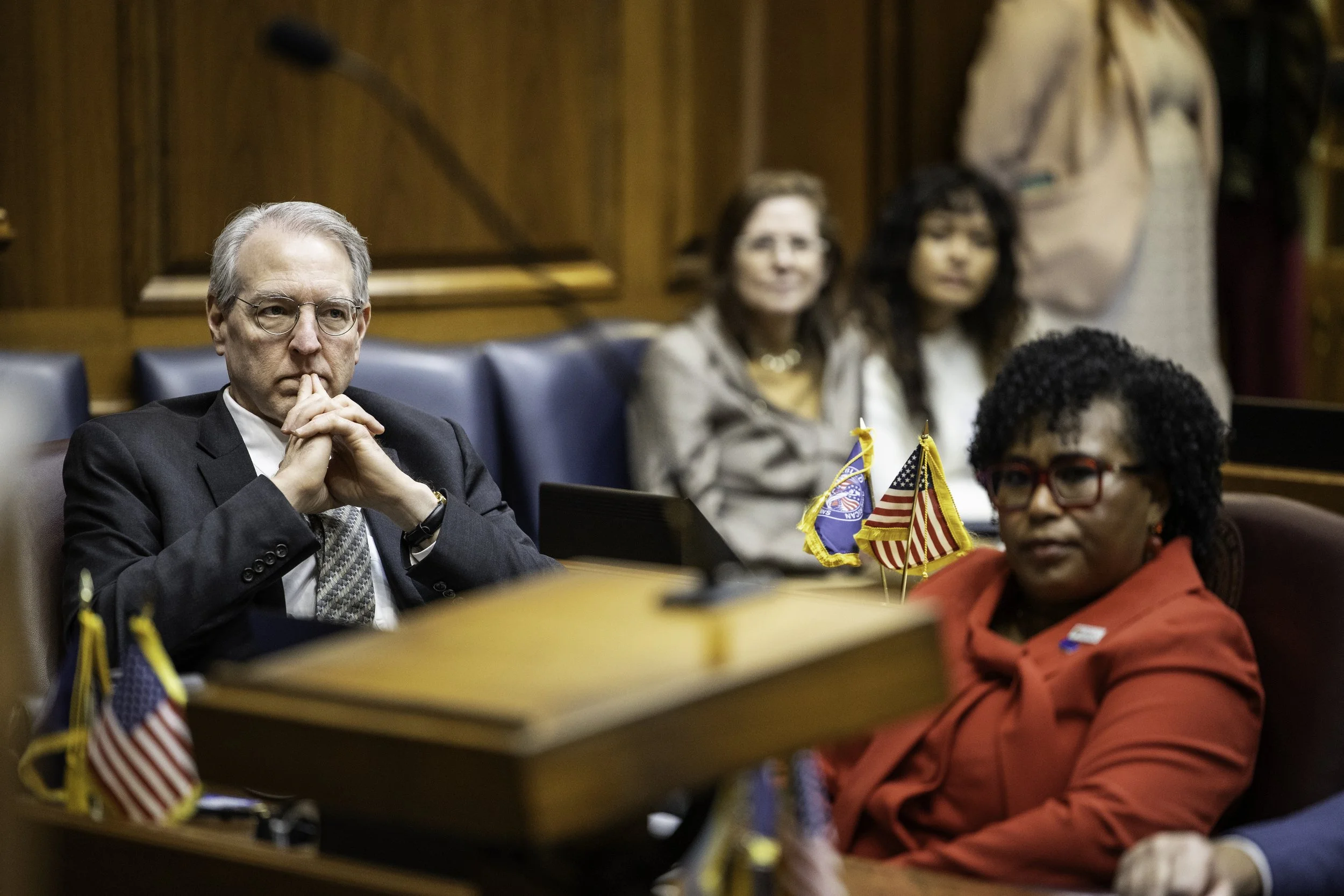
Pierce votes for HB 1002: ‘It’s a step forward but more could be done’
Today, Jan. 28, State Rep. Matt Pierce (D-Bloomington) voted for House Bill 1002, which passed with a vote of 88-4. The bill is a small step towards limiting energy cost increases and expanding protections for utility customers, but it doesn’t provide immediate relief.
Today, Jan. 28, State Rep. Matt Pierce (D-Bloomington) voted for House Bill 1002, which passed with a vote of 88-4. The bill is a small step towards limiting energy cost increases and expanding protections for utility customers, but it doesn’t provide immediate relief.
Yesterday, Pierce offered two amendments to HB 1002; one was voted down and the other tossed out. One amendment would have imposed a one-year moratorium on the 7% sales tax on utility bills and prevented the Indiana Economic Development Corporation (IEDC) from granting any further sales tax exemptions to data centers.
“Apparently, it’s fine for trillion-dollar corporations to pay no sales tax on energy use at their data centers,” Pierce said. “But not for Hoosier families to get the same tax break.”
The other amendment would have prohibited utility companies from making customers pay for their lobbying and political activities. House Republicans used a procedural move to avoid voting on the amendment. Republicans deemed the amendment unrelated to the contents of the bill, even though both concern how utility rates will be determined.
“I appreciate that Republicans woke up this election year and discovered that people are struggling to pay their utility bills,” Pierce said. “Now, they’re doing at least a little something about it, but we could be doing much more to lessen the burden of skyrocketing utility bills.”

Miller votes ‘yes’ on 1002, calls for more relief for Hoosiers
Today, Jan. 28, the Indiana House of Representatives passed House Bill 1002 after rejecting several amendments from the Indiana House Democratic Caucus to strengthen the bill.
Today, Jan. 28, the Indiana House of Representatives passed House Bill 1002 after rejecting several amendments from the Indiana House Democratic Caucus to strengthen the bill. The bill aims to lower utility bills throughout the state. State Rep. Kyle Miller (D-Fort Wayne) voted yes on the bill, but issued the following statement urging the Republican supermajority to do more for Hoosiers:
"If 1002 is the best House Republicans can do for Hoosiers this year, I'll vote for it just to provide ratepayers with some relief. But Hoosiers deserve more from their state government. My office gets calls every day from constituents concerned about whether they'll be able to pay for utilities without cutting back on other essentials. We're in the middle of a dangerous cold front, and no one should be worried that they won't be able to keep the heat on. The amendments my colleagues offered would have strengthened this bill. The supermajority's rejection of amendments to eliminate the sales tax on residential utility bills, banning disconnections during the coldest months of the year and to limit rate increases, among others, is a reflection on their unwillingness to provide actual, long-term relief."
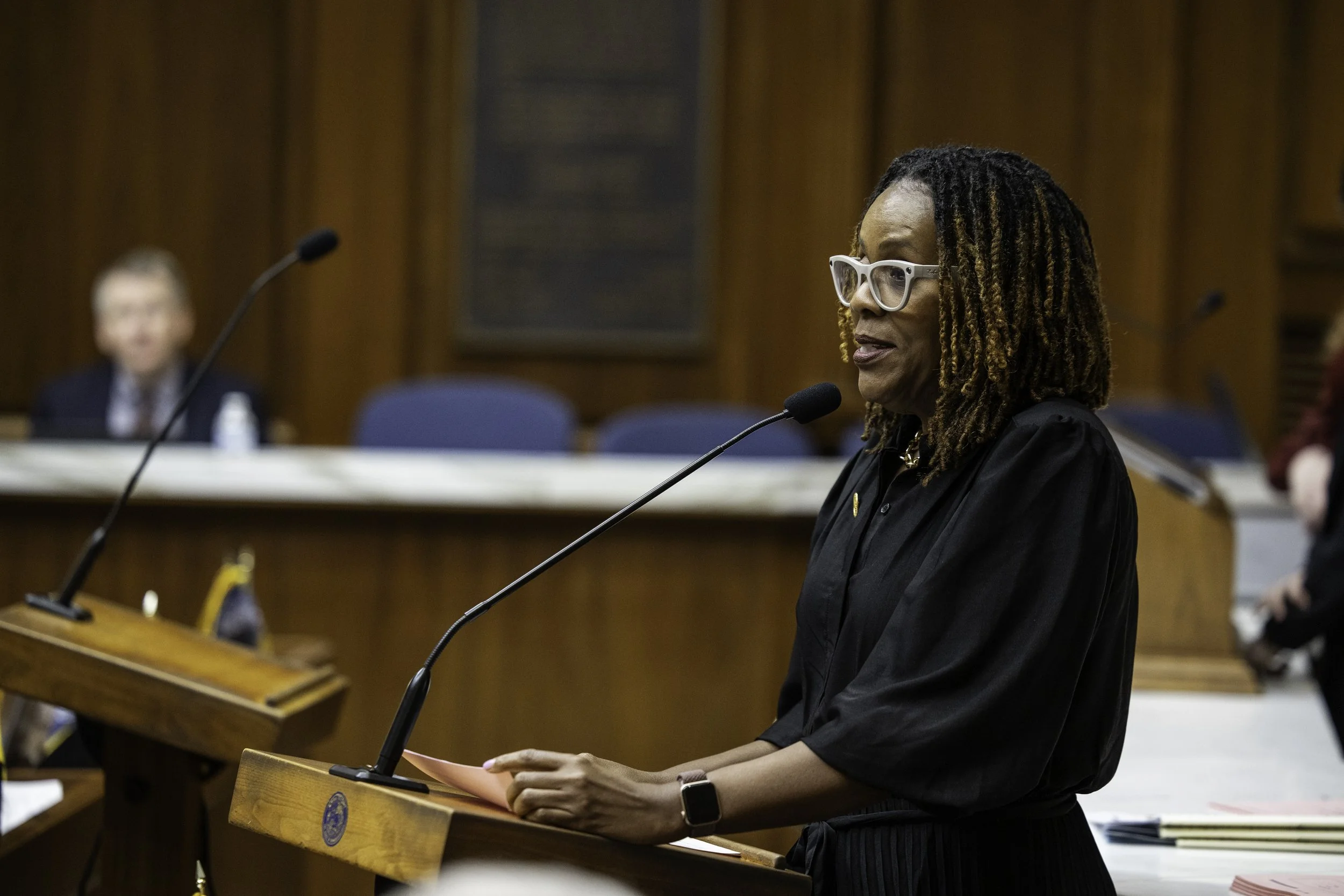
Shackleford votes no on HB 1002, Calls on legislature to deliver real utility relief for Hoosiers
Today, State Rep. Robin Shackleford (D-Indianapolis) voted no on House Bill 1002, legislation that makes changes to utility rate-making in Indiana.
Shackleford issued the following statement explaining her vote:
“Yesterday, Jan. 27, House Democrats offered 13 amendments to HB 1002 to guarantee savings for Hoosiers – all of which were defeated. I could not vote yes on legislation that does the bare minimum for Hoosier ratepayers. Year after year, the General Assembly advances half-measures that offer short-term fixes while failing to address the deeper, systemic issues driving rising utility costs in Indiana.
“Hoosiers deserve real relief – not surface-level solutions. If we were serious about affordability, we would hold utility companies accountable, lower utility bills, increase transparency and oversight at the Indiana Utility Regulatory Commission and expand meaningful relief for families who are struggling to keep up as utility bills rise faster than wages.
“For those reasons, I voted no on HB 1002, and I will continue pushing for stronger, more effective action to ensure utility costs are truly affordable for Hoosiers.”
Today, State Rep. Robin Shackleford (D-Indianapolis) voted no on House Bill 1002, legislation that makes changes to utility rate-making in Indiana.
Shackleford issued the following statement explaining her vote:
“Yesterday, Jan. 27, House Democrats offered 13 amendments to HB 1002 to guarantee savings for Hoosiers – all of which were defeated. I could not vote yes on legislation that does the bare minimum for Hoosier ratepayers. Year after year, the General Assembly advances half-measures that offer short-term fixes while failing to address the deeper, systemic issues driving rising utility costs in Indiana.
“Hoosiers deserve real relief – not surface-level solutions. If we were serious about affordability, we would hold utility companies accountable, lower utility bills, increase transparency and oversight at the Indiana Utility Regulatory Commission and expand meaningful relief for families who are struggling to keep up as utility bills rise faster than wages.
“For those reasons, I voted no on HB 1002, and I will continue pushing for stronger, more effective action to ensure utility costs are truly affordable for Hoosiers.”

Moseley votes for HB 1002, calls for more relief
Today, Jan. 28, the Indiana House of Representatives passed House Bill 1002 after rejecting several amendments to provide immediate utility bill relief.
Today, Jan. 28, the Indiana House of Representatives passed House Bill 1002 after rejecting several amendments to provide immediate utility bill relief. The bill aims to lower utility bills throughout the state. State Rep. Chuck Moseley (D-Portage) voted yes on the bill, but issued the following statement urging the supermajority to do more for Hoosiers:
"My office receives hundreds of calls and messages every session and, by and large, most of them this year have been about utilities. Hoosiers need a break, and HB 1002 is a good first step, but I don't think it goes far enough. I supported several amendments to strengthen the bill, none of which were accepted by the Braun supermajority.
"If Braun and his party really cared about helping Hoosiers, they would have accepted our amendments to strengthen this piece of legislation, and they would have taken more time to consider the legislation we put forward this session dealing with utilities. This year, I authored House Bill 1068, which would require an Indiana Utility Regulatory Commission (IURC) commissioner to be put on the ballot if they want to be retained for another term. This bill is a common-sense approach to fixing Indiana's utility cost problem, and it did not get a hearing in the Utilities, Energy and Telecommunications Committee. If 1002 is the best Braun and his supermajority can do this session, I voted 'yes' to give Hoosiers some relief. It's a shame, though, that they won't do more for you on this issue."
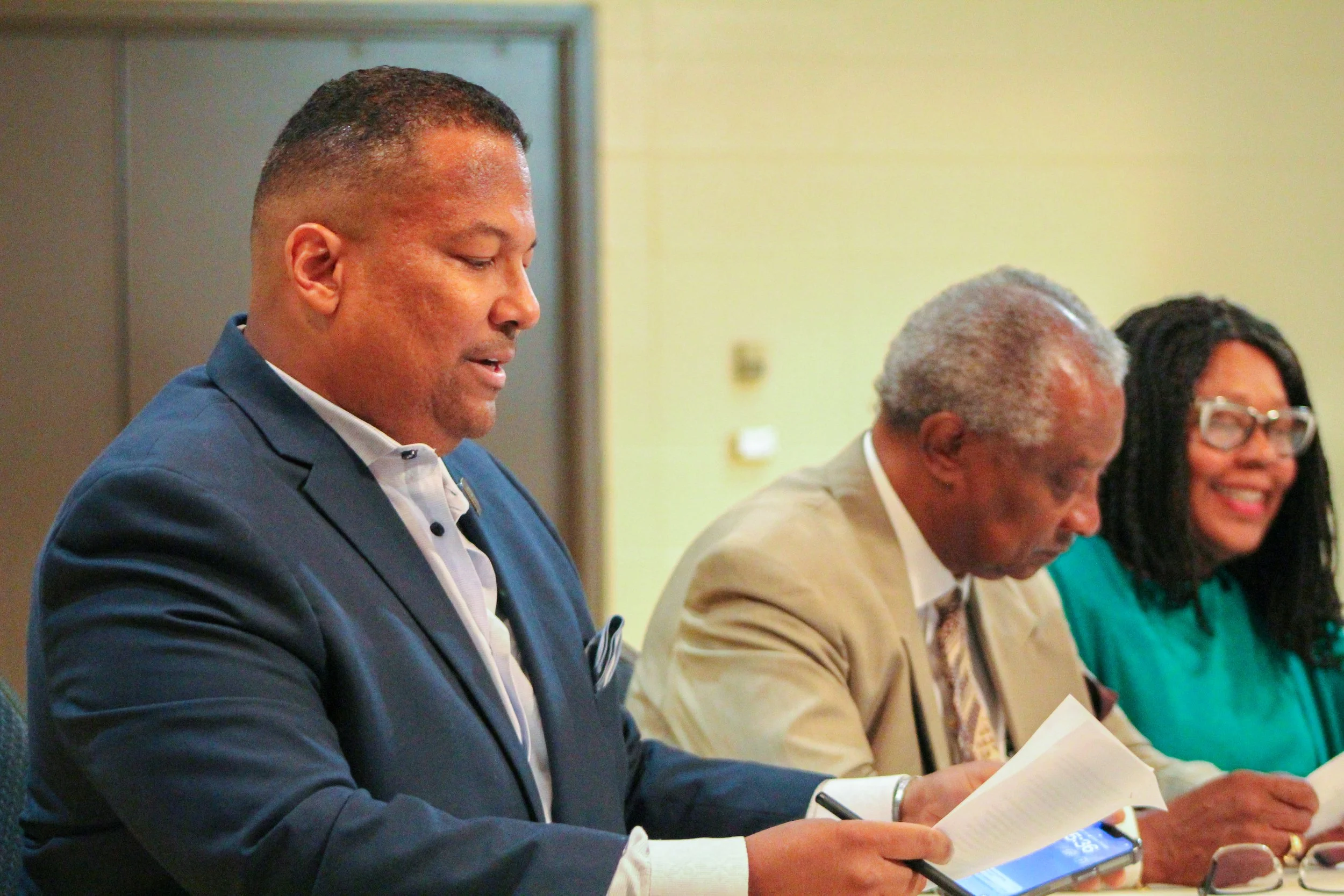
Harris: “1002 is a start, but Hoosiers need relief”
Today, Jan. 28, the Indiana House of Representatives passed House Bill 1002 after rejecting a dozen amendments from Indiana House Democrats to provide immediate utility bill relief.
Today, Jan. 28, the Indiana House of Representatives passed House Bill 1002 after rejecting a dozen amendments from Indiana House Democrats to provide immediate utility bill relief. The bill aims to lower utility bills throughout the state. State Rep. Earl Harris Jr. (D-East Chicago) voted yes on the bill, but issued the following statement urging the supermajority to do more for Hoosiers:
"House Bill 1002 is a start, but Hoosiers need relief now. In Northwest Indiana and throughout the state, Hoosiers are struggling to keep up with their utility bills. House Bill 1002 should have been an easy way to give consumers long-term relief from rising costs that both sides of the aisle could unanimously support. Instead, Indiana Republicans offered a weak bill that does the bare minimum to help Hoosiers struggling to get by. The amendments my colleagues offered would have gone a long way in providing real relief; from eliminating the sales tax on residential utility bills to banning disconnections during the coldest months of the year. It's a shame the supermajority couldn't do more for Hoosiers."
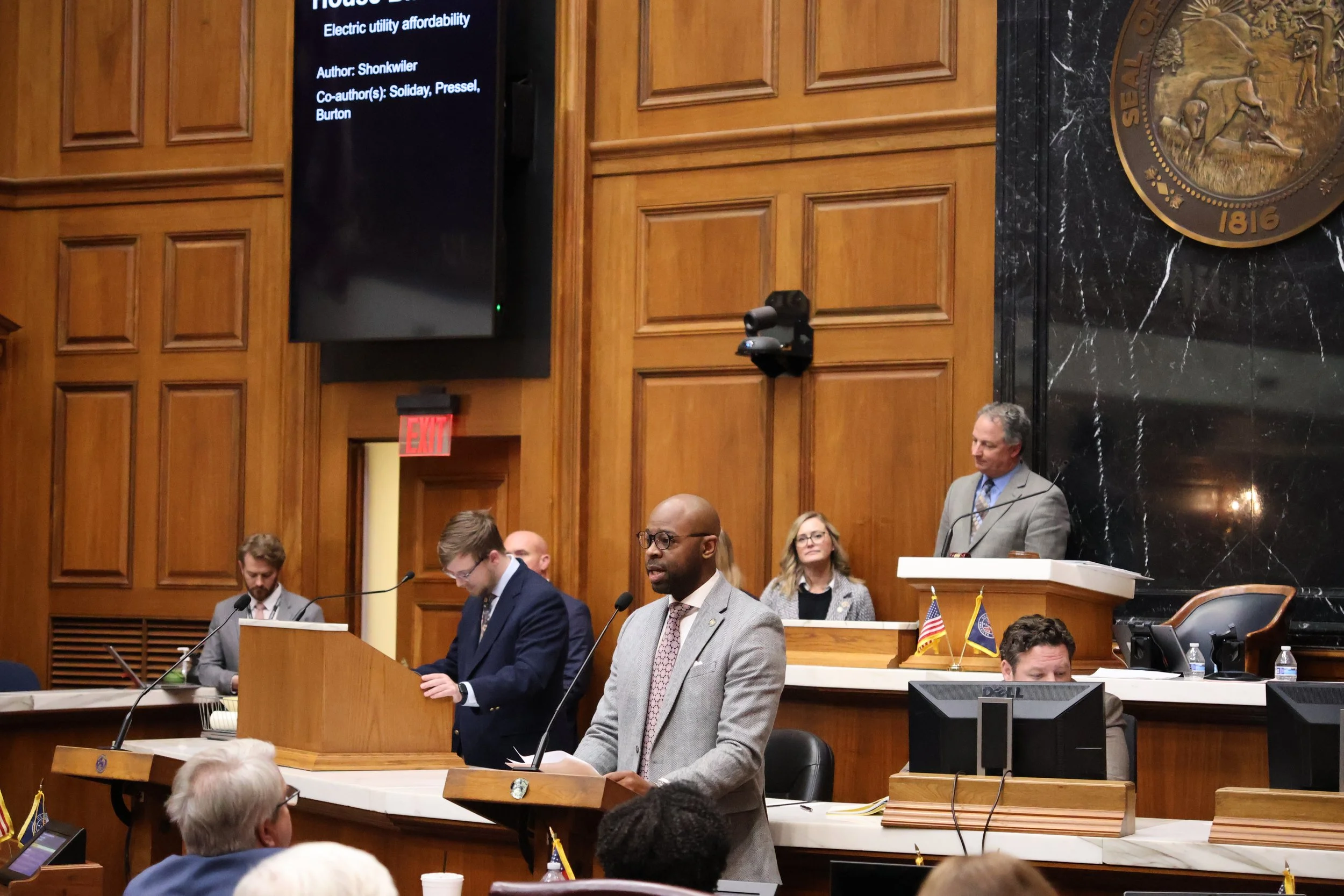
Burton’s co-authored HB 1002 passes out of House, Advances utility reform to Senate
Today, Jan. 28, the House passed House Bill 1002, a bill that reshapes utility ratemaking in Indiana.
State Rep. Alex Burton (D-Evansville), a co-author on the legislation, issued the following statement on the bill’s passage out of the House:
Today, Jan. 28, the House passed House Bill 1002, a bill that reshapes utility ratemaking in Indiana.
State Rep. Alex Burton (D-Evansville), a co-author on the legislation, issued the following statement on the bill’s passage out of the House:
“Since the beginning of my time in the House, I have been clear about my priorities. My focus is on building relationships and advancing energy utility policy that delivers real relief for families. In just my second year and serving in the superminority, I’m proud to be a co-author on a priority bill coming out of the House that helps shape the future of energy policy across Indiana.
“For more than a decade, families have faced rising utility costs with little accountability or meaningful action. In the last year alone, Southwest Indiana gained representation on the Indiana Utility Regulatory Commission, and now HB 1002 has passed the House. That progress matters, but our work is not done.
“Every month, households anxiously wait for their energy bills, and far too often those high costs force families to choose between groceries, medicine or other basic necessities. This bill is not a cure-all, but it establishes clear metrics, intention and a path forward toward greater affordability and transparency for ratepayers. I will continue advocating for policies that put Hoosiers first.”
HB 1002 now moves to the Senate for further consideration.
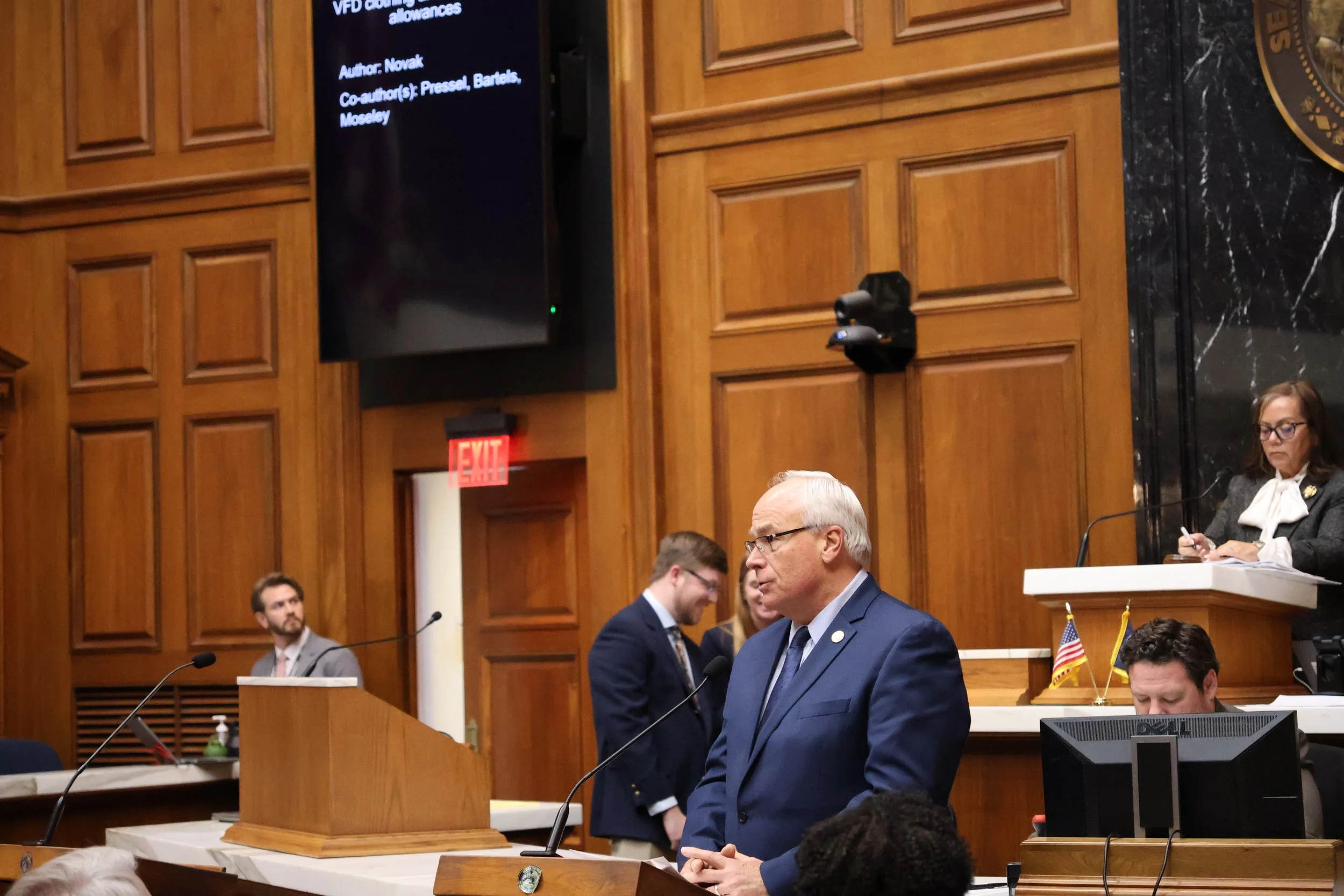
Novak’s bill supporting volunteer firefighters passes out of House
Today, the Indiana House of Representatives passed House Bill 1048, authored by State Rep. Randy Novak (D-Michigan City), sending the bipartisan legislation to the Senate for further consideration.
Today, the Indiana House of Representatives passed House Bill 1048, authored by State Rep. Randy Novak (D-Michigan City), sending the bipartisan legislation to the Senate for further consideration.
HB 1048 increases the yearly minimum allowance for volunteer fire department members from $100 to $250, helping offset the cost of essential clothing and vehicle-related expenses. The bill reflects continued bipartisan support for Indiana’s volunteer firefighters.
Novak released the following statement on the bill's passage out of the House:
“Volunteer firefighters step up for our communities without hesitation, often at their own personal and financial expense. This bill is about recognizing that commitment and making sure they have meaningful support to do their jobs safely and effectively.
“I’ve heard directly from volunteer firefighters across Indiana about the challenges of affording clothing and maintaining reliable vehicles. Increasing this allowance is a practical step that helps ease those burdens and supports the roughly 831 volunteer fire departments that Hoosiers rely on every day.
“This issue is personal to me. I spent years alongside firefighters and saw firsthand the sacrifices volunteer departments make to keep their communities safe. I know the long hours, the strain on families, and the out-of-pocket costs that too often come with answering the call. Supporting our volunteer firefighters isn’t just good policy, it’s a responsibility we owe to the people who are always there when Hoosiers need them most.
“I’m proud to see this bill advance with strong bipartisan backing, and I look forward to continuing to work with my colleagues as it moves to the Senate.”
Pryor celebrates house passage of bill to obtain quicker access to lifesaving prescriptions for advanced cancer patients
Today, Jan. 28, the House passed House Bill 1114. The bill, authored by State Rep. Cherrish Pryor (D-Indianapolis), prohibits state employee health plans, the health care marketplace and health maintenance organizations (HMOs) from requiring step therapy or "fail first."
Today, Jan. 28, the House passed House Bill 1114. The bill, authored by State Rep. Cherrish Pryor (D-Indianapolis), prohibits state employee health plans, the health care marketplace and health maintenance organizations (HMOs) from requiring step therapy or "fail first." "Fail first" requires patients to try a drug preferred by their insurance company and fail to respond before they receive coverage for the prescription originally recommended by their doctor.
“Patients with metastatic cancer, or stage 4 cancer, cannot have delayed treatment,” Pryor said. “The ‘fail first’ method is simply not the best care. The best course of treatment is often very specific to the patient. Most step therapy protocols rely on generalized information regarding patients and their treatments as opposed to considering the unique patient situation. It frequently ignores clinical guidelines and individual patient needs.
“This bill allows providers to determine the best course of treatment, and patients to have immediate access to that treatment – not suffer through a time-consuming trial-and-error process. Hoosiers with metastatic cancer should not worry about getting the best drugs for their treatment while fighting for their life.
“I am so proud to see this bill to expand access to care for Hoosiers with advanced cancer move to the Senate. This bill will help us bring down the unacceptably high rate of cancer deaths in our state. I’d like to thank my co-authors as well as Susan G. Komen and the Indiana Oncology Society for their support. I look forward to continuing my advocacy for Hoosiers access to the best quality health care.”
Klinker votes against HB 1343, believes policing should be left ot local law enforcement
Today, Jan. 28, Indiana Republicans passed House Bill 1343 with a vote of 67 to 29. This bill includes a provision further authorizing the establishment of a military police force within the Indiana National Guard. The governor will have the authority to send this police force into any part of the state whenever he or she deems necessary, without the consent of the community or its elected officials.
Today, Jan. 28, Indiana Republicans passed House Bill 1343 with a vote of 67 to 29. This bill includes a provision further authorizing the establishment of a military police force within the Indiana National Guard. The governor will have the authority to send this police force into any part of the state whenever he or she deems necessary, without the consent of the community or its elected officials.
State Rep. Sheila Klinker (D-Lafayette) issued the following statement after voting against the legislation:
“I will always wholeheartedly support the men and women who risk their lives to protect this country. I deeply respect our Indiana National Guardsmen and their dedication to service.
“However, I do not believe our National Guardsmen should be used as military police officers. That’s a job that is best left to our local law enforcement. Our law enforcement in Tippecanoe County is well-trained, highly respected, and they have shown time and time again that they are able to maintain law and order in our neighborhoods.
“As a supporter of local control, I dislike the exclusive authority this bill gives the governor. A single person shouldn’t have the power to deploy troops into our communities without the request of the mayor, the city council or county officials. This sets a dangerous precedent for our communities.”
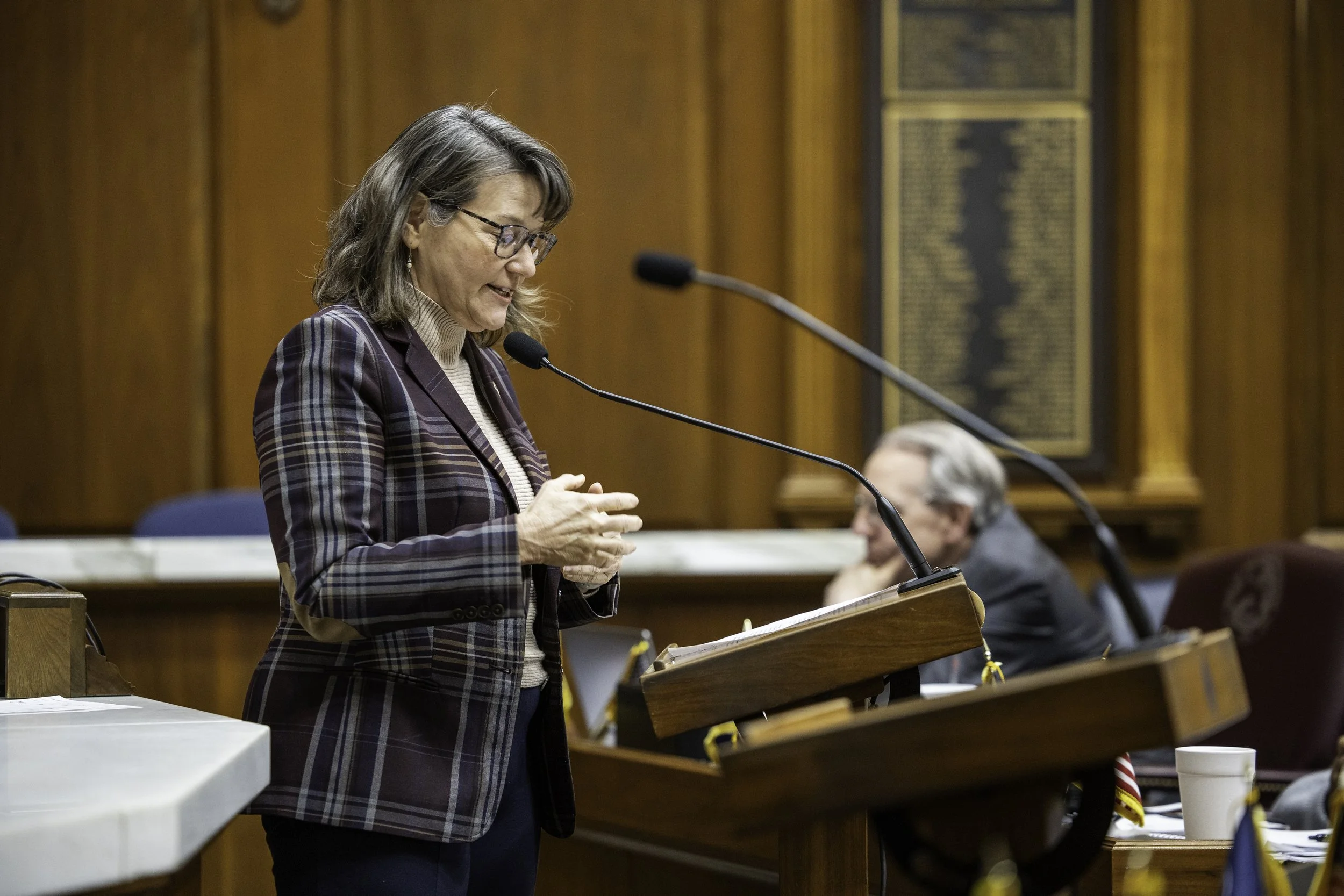
Dant Chesser votes no on HB 1343, stands against authorizing a military police force
Today, Jan. 28, State Rep. Wendy Dant Chesser (D-Jeffersonville) voted no on House Bill 1343, which includes a provision further authorizing the establishment of a military police force within the Indiana National Guard. The governor will have the authority to send this police force into any part of the state whenever he deems necessary, without the consent of the community or its elected officials.
Today, Jan. 28, State Rep. Wendy Dant Chesser (D-Jeffersonville) voted no on House Bill 1343, which includes a provision further authorizing the establishment of a military police force within the Indiana National Guard. The governor will have the authority to send this police force into any part of the state whenever he deems necessary, without the consent of the community or its elected officials.
Dant Chesser released the following statement:
“Our local public safety efforts are best administered by our local public safety agencies. It should always be our community leaders' decision to ask for assistance from the governor before a military response is deployed. I trust in the ability of our local law enforcement agencies to keep us safe and to know when reinforcement is needed.
“I fully support the provisions in HB 1343 that aim to provide transparency for veterans' services, and I have the utmost respect for our National Guardsmen. Their sacrifices for our country are deeply appreciated. But I can’t, in good conscience, vote for a bill that puts our communities at risk.
“We’ve seen the worst of what can happen with absolute control. It’s dangerous to give Indiana’s governor, whoever it may be, the sole authority to deploy troops on our streets with no checks or balances.”
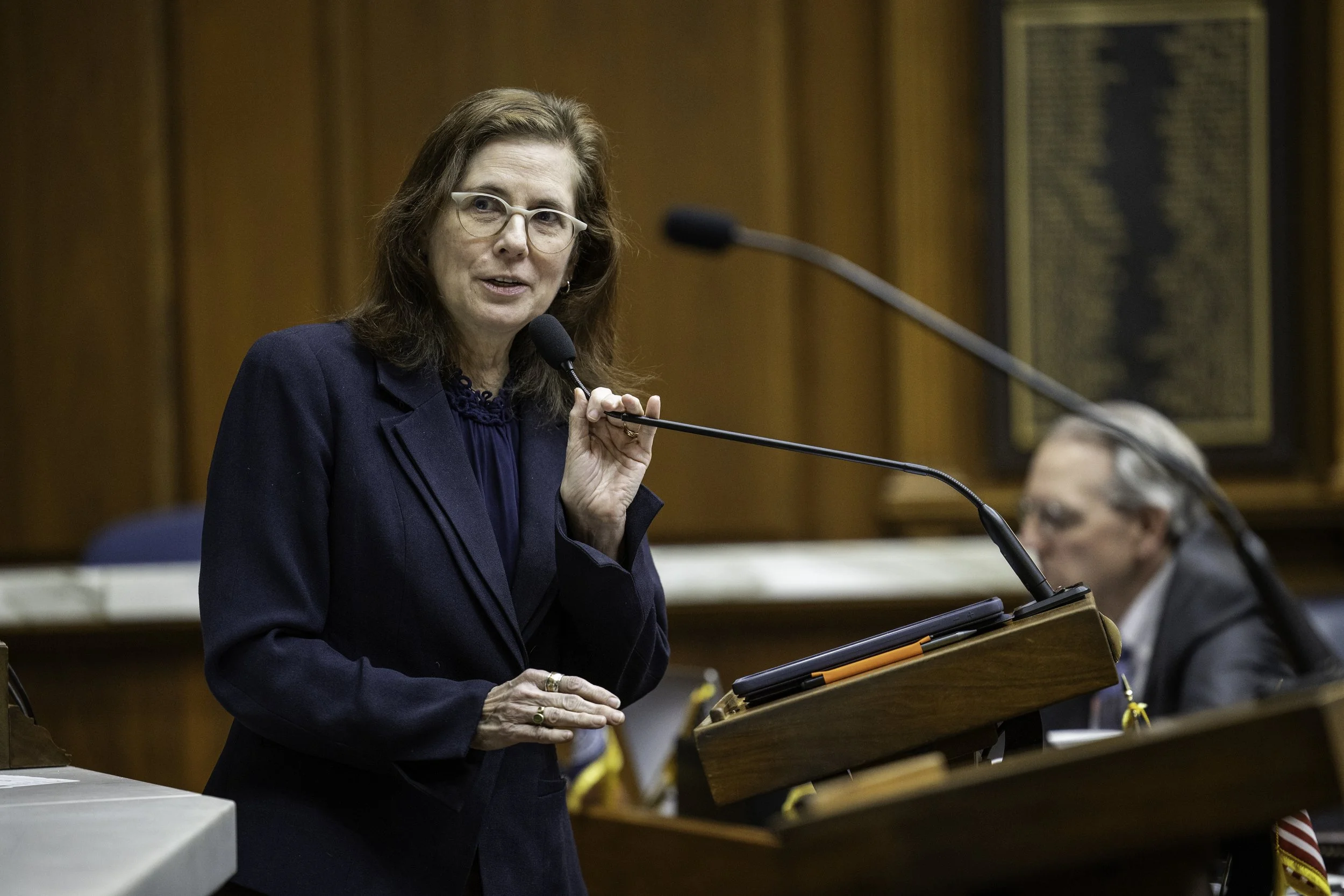
Campbell votes no on House Bill 1343, stands against paramilitary police in Indiana’s communities
Today, Jan. 28, State Rep. Chris Campbell (D-West Lafayette) voted no on House Bill 1343, which includes a provision further authorizing the establishment of a military police force within the Indiana National Guard. The governor will have the authority to send this police force into any part of the state whenever he or she deems necessary, without the consent of the community or its elected officials.
Today, Jan. 28, State Rep. Chris Campbell (D-West Lafayette) voted no on House Bill 1343, which includes a provision further authorizing the establishment of a military police force within the Indiana National Guard. The governor will have the authority to send this police force into any part of the state whenever he or she deems necessary, without the consent of the community or its elected officials.
“HB 1343 poses a serious risk to our local communities,” Campbell said. “I respect our National Guardsmen. I deeply appreciate the work they do for our country and our state. But they aren’t trained for local law enforcement. They’re here for our protection, not here for policing.
“There are established protocols for the domestic deployment of the National Guard, and those protocols should be maintained. No governor, Republican or Democrat, should have the absolute power to deploy a quickly trained, paramilitary force in our neighborhoods.
“I don’t want soldiers conducting searches and seizures or pulling people over. That invites potential chaos and tragedy into our communities. We’re seeing that tragedy live on the national news in Minneapolis. That’s what happens when quickly trained, paramilitary officers enforce the law on civilians.
“Under this bill, Indiana would have one of the most expansive state-level military policing laws in the United States. We're headed down a dangerous path. It is a slap in the face to Hoosiers’ personal freedoms and the promises our country was founded upon.”